Health and Safety Policy for Carpet Cleaners KT2
 This health and safety policy sets out the standards expected when delivering professional carpet cleaning services in a way that protects workers, clients, visitors, and property. Our approach is built on risk awareness, safe working practices, and responsible use of equipment and cleaning agents. We aim to maintain a working environment where hazards are identified early and controlled effectively.
The purpose of this policy is to support safe operations across all cleaning tasks, including inspection, preparation, treatment, drying, and post-cleaning checks. Every carpet cleaner must follow agreed procedures and use equipment only for its intended purpose. Safety is not treated as an optional extra; it is part of the service standard and an essential condition of quality work.
We recognise that carpet cleaning can involve wet floors, electrical equipment, manual handling, chemicals, and confined spaces. For that reason, all staff are expected to act with caution, communicate clearly, and remain alert to changing conditions. This policy applies to all personnel involved in carpet cleaning KT2 operations, whether working independently or as part of a team.
Responsibilities and Safe Working Standards
Every operative has a duty to work safely, protect others from harm, and report hazards without delay. Supervisors are responsible for ensuring that staff are trained, competent, and provided with suitable equipment. Management must review procedures regularly and make sure that the carpet cleaning policy remains effective, practical, and aligned with best practice.
Before any job begins, the area should be assessed for risks such as fragile flooring, trailing cables, poor ventilation, or items that could be damaged by moisture. Where necessary, rooms should be isolated or signposted to reduce exposure to wet surfaces. Staff should never assume a space is safe without checking it first. Careful preparation is one of the most important parts of professional carpet cleaners KT2 work.
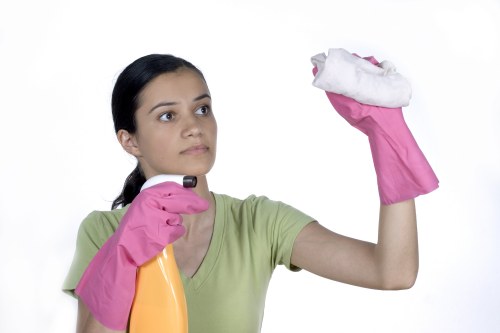 Personal protective equipment must be selected according to the task. This may include gloves, non-slip footwear, protective eyewear, or masks when applying sprays or handling dusty materials. Workers must also ensure that equipment is clean, in good repair, and used according to manufacturer instructions. Damaged tools or unsafe machines must be removed from service immediately.
Chemical Handling, Cleaning Methods, and Control Measures
Cleaning products must be stored securely, labelled clearly, and used in accordance with safety data information. Mixing chemicals without authorisation is prohibited because it may create harmful fumes or reduce effectiveness. Professional carpet cleaners should always use the least aggressive product capable of achieving the required result, especially where sensitive fibres or household occupants are present.
When applying water-based treatments, operatives must avoid over-wetting carpets or surrounding surfaces. Excess moisture can create slip hazards, promote mould growth, and increase the risk of damage. Extraction equipment should be monitored throughout use, and any leaks or malfunction must be addressed immediately. Safe carpet cleaning services rely on controlled application rather than forceful or repeated saturation.
 Ventilation is essential during and after cleaning, particularly when using odour treatments or stain removal products. Windows or doors may be opened where appropriate, and fans may be used to speed drying if this does not introduce additional hazards. Staff must also make sure electrical equipment is kept away from standing water and that power supplies are routed safely to avoid trips or shocks.
Manual Handling, Training, and Incident Response
Many carpet cleaning tasks involve lifting machines, carrying water containers, and moving furniture. To reduce strain and injury, operatives should use correct lifting technique, seek assistance for heavy items, and plan the route before moving anything. Repetitive movements should be broken up where possible, and workers should stop if they experience discomfort. Safe carpet cleaners KT2 practices depend on good posture, pacing, and awareness of personal limits.
Training is required so that staff can carry out tasks confidently and safely. This includes instruction on equipment use, hazard recognition, emergency procedures, chemical handling, and customer-area etiquette. New workers should not undertake complex tasks unsupervised until they have demonstrated competence. Refresher training should be provided when processes change or when a need is identified through review.
If an incident occurs, the priority is to protect people and prevent further harm. Spills should be contained, electrical hazards isolated, and affected areas secured. Injuries, near misses, and equipment failures must be recorded and reviewed so that corrective action can be taken. A strong health and safety policy depends on learning from events, not ignoring them.
Housekeeping, Monitoring, and Continuous Improvement
 Good housekeeping is central to safe carpet cleaning. Work areas should be kept tidy, tools stored appropriately, and waste removed promptly. Cloths, hoses, and accessories must not be left where they could cause trips or contaminate cleaned surfaces. The final inspection should confirm that rooms are left in a safe, usable condition and that hazards have been eliminated before the area is handed back.
Regular monitoring helps ensure standards remain consistent. Managers may carry out checks, review incident trends, and observe working practices to identify improvements. Equipment maintenance logs, product records, and training notes should be kept up to date. This structured approach supports reliable carpet cleaning policy compliance and helps maintain service quality over time.
Where changes are made to equipment, chemicals, or work methods, the associated risks should be reassessed. The policy should be updated whenever necessary to reflect new practices or legal obligations. A proactive approach enables carpet cleaning KT2 teams to manage safety effectively while delivering dependable results.
Review and Commitment
 This policy applies to all carpet cleaning activities and should be followed at every stage of work. Every member of staff is expected to contribute to a safe workplace by acting responsibly, reporting concerns, and following approved methods. Safety, quality, and professionalism must remain closely linked in all carpet cleaners operations.
By maintaining clear procedures, suitable training, and careful supervision, we can reduce risk and support a consistent standard of service. The commitment to health and safety is ongoing and requires attention from everyone involved. Through diligence and respect for safe practice, carpet cleaning can be completed efficiently, carefully, and with minimal risk to people and property.